Defensive Driving, Why is it Important?
First of all, what is defensive driving?
Defensive driving is actually a set of principles that are all aimed at reducing accidents by adjusting your driving behavior. Here it’s very important that you anticipate the environment and are aware of your own driving behavior. This ensures that you have a better reaction time, which allows you to prevent unsafe situations and damage.
What are the most important principles regarding defensive driving?
In general, defensive driving deals with timely anticipation, where possible unexpected and dangerous situations are prevented. You can divide this into the following best practices.
Best practices of defensive driving
-
Anticipate and adjust your speed based on what you see Look far enough ahead and maintain a safe speed based on this. A large number of traffic accidents occur because people simply don’t look ahead well enough. A possible example is that you’re driving on the highway and see cars braking in the distance. Be aware here that you need to react and probably also adjust your speed in time.
-
Respect a safe safety distance With defensive driving, it’s important that you have enough time to react. This extra reaction time can make the difference between an accident or no accident. In Belgium, we recommend always maintaining at least 2 seconds relative to the driver in front of you. This is a handy rule of thumb and easy to apply. You choose a reference point, and you start counting when your predecessor passes it. Then you count how long it takes until you pass this point.
-
Recognize dangerous situations in time Dangerous situations can often be recognized by means of danger signs. Also read this article to learn more about danger signs. But also the weather and other situational factors can cause dangerous situations.
-
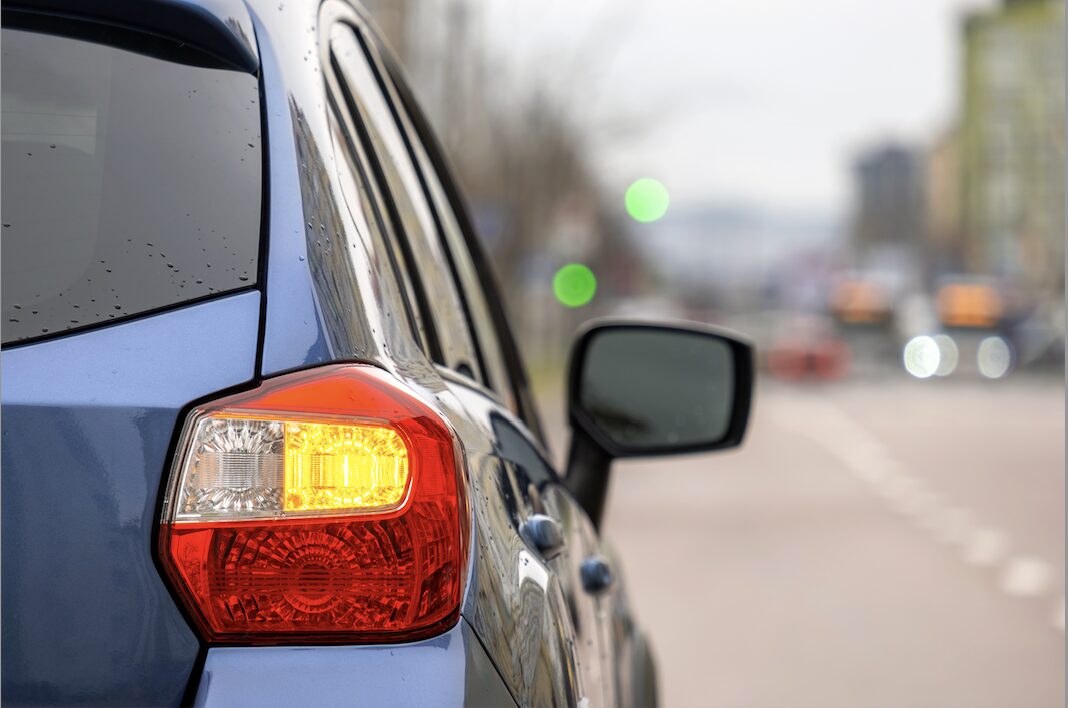
Make as few last-minute changes as possible, and unexpected actions It’s important that you anticipate the traffic situation, but other drivers must also be able to see what you’re doing. If you drive in a way that makes you unpredictable, you also increase the chance of accidents. So show your intentions well and in time. You do this, for example, with your turn signals, but sometimes it also helps to have eye contact. For example, on a busier roundabout with multiple road users such as cyclists.
What are the benefits of defensive driving?
-
Fewer traffic accidents: This is the most obvious point, but it still deserves attention. Learning defensive driving behavior is one of the best measures you can learn to prevent accidents. You’re safer on the road yourself, and for other road users you’re also more predictable.
-
More sustainable: When you maintain sufficient distance and don’t accelerate and brake excessively, you save fuel. Braking and accelerating again consumes significantly more fuel than maintaining a more consistent pace.
-
Cheaper: It’s not uncommon for a car to have to go to the garage because there was a collision that could have been prevented with defensive driving. In addition to these garage costs, you also save on fuel costs in the long term by learning defensive driving behavior.
Conclusion
Prevention is always better than cure, and this is very applicable when it comes to defensive driving behavior. By properly predicting the traffic situation and also driving predictably yourself, you increase the reaction time to act in time. In addition to the benefits for your